
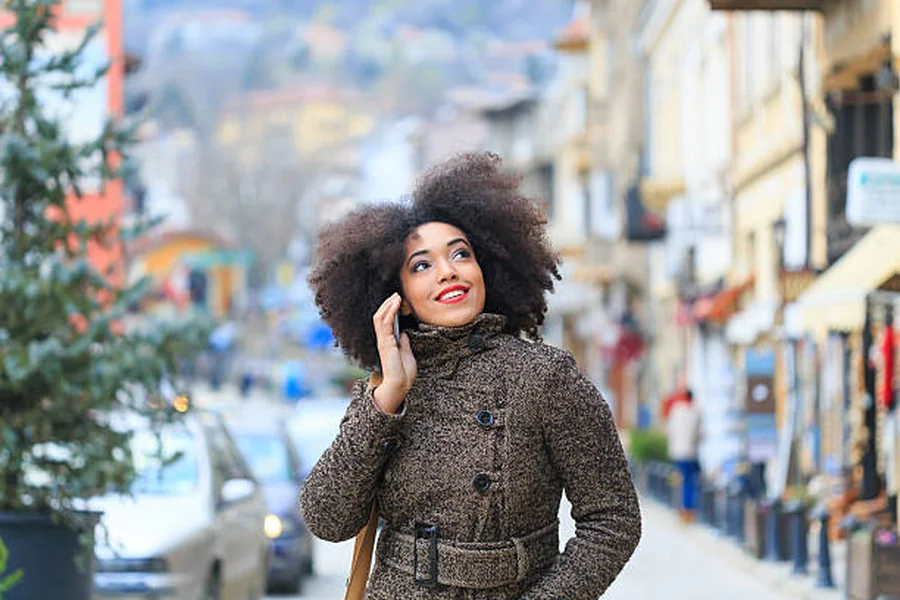
Protective styling has officially entered its “fashion era”—and honestly, I love this for us. In 2025, the goal isn’t just keeping your natural mane safe; it’s doing it while still looking polished, trendy, and effortlessly put together. Whether you’re heading into a Monday meeting, catching a flight, or stepping out in winter street style, protective looks can absolutely be both low-tension and high-style. The secret is choosing textures that match your natural pattern, building routines that protect your scalp and strands, and using styling methods that keep your curls defined without constant manipulation. Let’s get into how to make protective styling feel modern, wearable, and fashion-forward—without sacrificing the health of your natural tresses.
Kinky Curly Hairs: Natural-Looking Protection That Works for Real Life
If you’re wondering what’s the best protective style that still looks natural, the answer is simple: a protective style that mimics the way your natural hair grows and moves. Natural hair has a living, breathing texture—it’s full, springy, and never looks “too perfect.” That’s why kinky curly textures are a top choice right now: they blend beautifully, give volume, and look believable in every setting. When I want that natural, soft-glam finish, I reach for Kinky Curly Human Hair Bundles because they create the kind of wash-and-go effect that feels effortless—but still protects my real strands underneath. Instead of pulling your edges tight or over-manipulating your curl pattern, bundles allow you to keep your natural mane tucked away while wearing a texture that still feels like you. That’s what makes it protective and fashionable.
To keep the style natural and work-appropriate, focus on:
- Low-tension installs (no tight braids along your hairline)
- Leave-out minimalism (only what you need for blending)
- Curl matching (choose textures close to your own curl family)
- Lightweight volume (full, but not stiff or bulky)
A natural-looking protective style also means comfort. Your scalp should feel relaxed, not sore. If your style hurts, it’s not protective—no matter how cute it looks.
Kinky Curly U Part Hair Wig: A Low-Tension Option with Maximum Style
Now let’s talk about one of the most underrated protective styling hacks: U-part wigs. Many people assume wigs aren’t protective because you still “touch your hair,” but the truth is—when done right, they’re one of the healthiest options out there. Here’s why: U-part styles allow your natural mane to breathe. You can moisturize your scalp, wash your hair regularly, and avoid the stress that can come with long-term sew-ins or super-tight braiding. Plus, they’re perfect for people who want a natural look without committing to a full install.
If you’re asking, Is a U-part wig good for protective styling? —yes, especially when you keep the leave-out small and prioritize scalp care. In fact, a Kinky Curly U Part Wig is ideal for work weeks, travel days, and winter seasons because it can be removed at night (or at least loosened) to reduce tension and dryness.
To make it protective, do this:
- Keep your leave-out moisturized and stretched (not heat-damaged)
- Use a silk or satin band under the wig to protect edges
- Avoid heavy gels on the leave-out (they cause breakage over time)
- Clip the wig, don’t glue it, for healthier hairlines
When you want office-ready curls, try a side part with soft volume. For street style? Go big and fluffy with a headband or scarf accessory—it looks like runway curls, but your natural tresses are still protected.
Winter Frizz Control: How to Keep Curls Soft, Not Puffy
Winter is beautiful… but winter air is not friendly to curly hair. Cold temperatures + indoor heating = dryness, static, and that annoying “why is my hair suddenly crunchy?” feeling. If you’re wondering how to prevent frizz in winter curly hair, it comes down to hydration + sealing + smart styling.
The #1 mistake people make is skipping moisture routines because the style looks fine at first. But by week two? Your curls start to lose definition, and the hair feels rough. Whether you’re wearing bundles or a wig, your curl care has to shift in winter.
Here’s a simple winter routine that works:
- Moisturize first: water-based leave-in or curl cream
- Seal next: lightweight oil or serum to lock it in
- Protect nightly: satin bonnet + scarf for edges
- Refresh gently: curl mist + light mousse (avoid heavy buildup)
Also, don’t underestimate humidity control. In winter, curls puff because they’re dry—not because they’re “too curly.” Your mane is basically begging for moisture.
If your curls are constantly frizzing, try a layered approach:
- Leave-in conditioner
- Curl cream
- Lightweight oil
- Anti-frizz spray (optional)
That combo keeps curls soft, bouncy, and polished—without turning them greasy.
Travel-Friendly Curl Maintenance: Airport-Ready and Photo-Ready
Travel is where protective styles really shine—because the last thing you want is to be restyling your hair in a hotel bathroom under bad lighting. But curly hair and travel can be tricky: dry airplane air, weather changes, and constant movement can mess with definition quickly.
So, how do you keep curls defined while traveling? The trick is to prep your style like you prep your outfits—with intention.
Before you travel, do these three things:
- Detangle and define curls the day before (not the morning of)
- Use a light hold mousse to maintain shape
- Pack a mini refresh kit
Your travel curl kit should include:
- Spray bottle (or travel mist)
- Leave-in conditioner
- Curl mousse
- Small edge brush
- Satin scarf or bonnet
- Mini oil or serum
And here’s the real secret: protect your curls while you move. On a plane or road trip, pull hair into a loose pineapple bun and wrap it with a satin scarf. Once you arrive, shake it out, mist lightly, and fluff. It’s simple, but it works.
FAQs: Quick Answers for Curly Protective Styling
1) What’s the best protective style that still looks natural?
A low-tension curly install or wig style that matches your natural texture and allows minimal leave-out. Natural-looking curls are key for realism.
2) How do you wear curly bundles without damaging your real hair?
Keep braids tension-free, moisturize your scalp weekly, avoid excessive leave-out heat, and sleep in satin protection. Your natural strands should stay hydrated underneath.
3) How do you prevent frizz in winter curly hair?
Hydrate with leave-in conditioner, seal with lightweight oil, and refresh using a mist + mousse. Always protect curls at night with satin.
4) Is a U-part wig good for protective styling?
Yes—especially because it allows scalp access and can be removed to reduce tension. Keep the leave-out small and moisturized for best results.
5) How do you keep curls defined while traveling?
Prep curls before traveling, pack a lightweight refresh kit, and protect your hair in a satin scarf or bonnet during flights or long rides.